
V Anne Smith
My research is in the field of computational biology. I examine complex biological networks, developing and evaluating algorithms to infer functional interactions based upon observational data.
My research is in the field of computational biology. I examine complex biological networks, developing and evaluating algorithms to infer functional interactions based upon observational data.
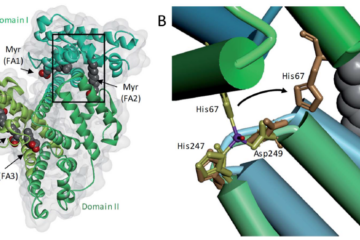
Our work is centred on how metal ions, such as Zn2+, Ca2+ and Co2+ are transported through the blood and how their mishandling can lead to disease.

Our research group focuses on the study of vocal communication in mammals as a way to understand the biological basis of human speech and language and how this trait evolved.

The group's research focusses on using Electron Paramagnetic Resonance (EPR) spectroscopy to study the microscopic structure and dynamics of (bio)molecules and materials.

Prof Terry Smith is an expert in phospholipid metabolism and the use of mass spectrometry techniques and heads the Lipidomics Facility with GC-MSs and ABSciex 4000 QTrap for lipidomic and focussed metabolomics.

We are interested in studying development in a comparative evolutionary context, with particular reference to chordates. We use the cephalochordate amphioxus as our main study species due to its relative genomic and…

Our group investigates the structure and function of nano-channels connecting plant cells (plasmodesmata), and how these are hijacked by plant viruses to spread through the host. We use molecular biology,…
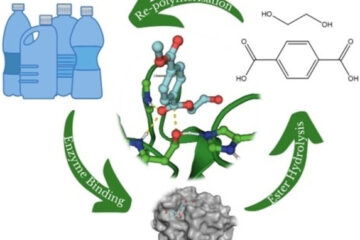
We are an Informatics and Computational Chemistry research group. Our group is based in the Purdie building on the North Haugh in St Andrews. Research areas we are interested in are machine learning, aqueous…

Research is focused on identifying new treatments for Multi-Drug Resistant (MDR) human pathogens. Novel treatments can be single therapies or combinations. Combinations can be derived from antibiotics; antibiotic…

The group works on applying and developing EPR spectroscopy for studying the structure of proteins and nucleic acids. The technique uses magnetic resonance to measure the interaction between unpaired electrons and…